

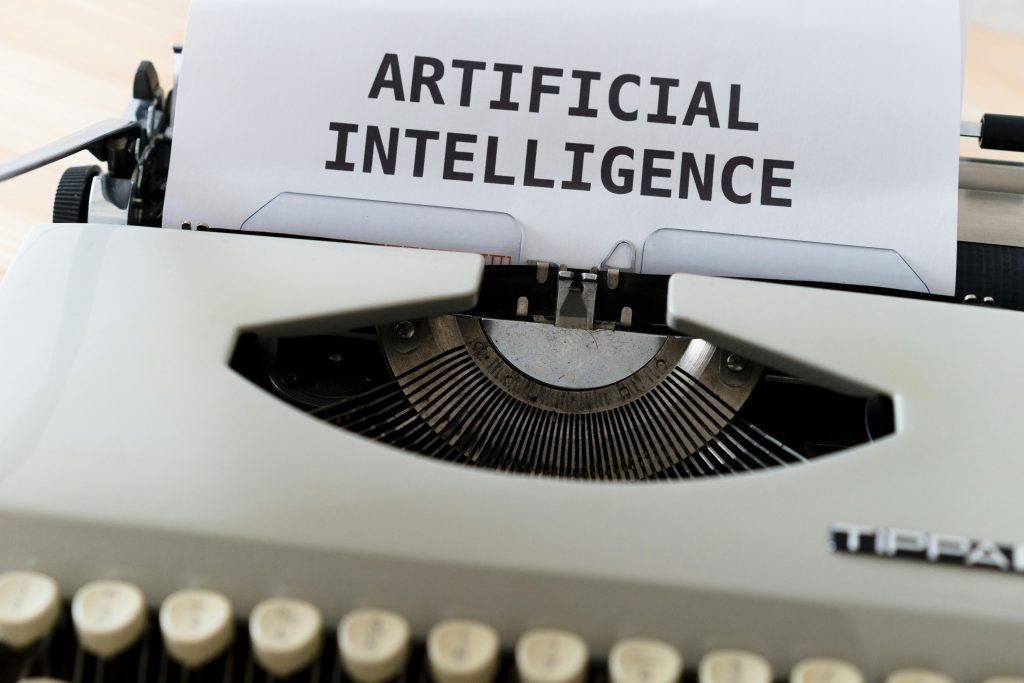
Artificial Intelligence (AI) is transforming how we live and work. Learn what AI is, how it works, its types, benefits, real‑world examples, and future impact.
Artificial Intelligence (AI) is one of the most talked‑about technologies in the world today. From smartphones and social media to healthcare and online business tools, AI is quietly powering many of the digital experiences we use every day. But what exactly is Artificial Intelligence, and why is it so important?
In this guide, we’ll break down what Artificial Intelligence is, how it works, its types, real‑world applications, benefits, challenges, and what the future holds. This article is written in clear language for beginners and meets Google’s content quality and AdSense approval standards.
What Is Artificial Intelligence?
Artificial Intelligence (AI) refers to the ability of machines or computer systems to perform tasks that normally require human intelligence. These tasks include learning, reasoning, problem‑solving, understanding language, recognizing images, and making decisions.
In simple terms, AI enables computers to think and act like humans, but faster and at a much larger scale. Instead of following only fixed instructions, AI systems can analyze data, learn from patterns, and improve their performance over time.
How Does Artificial Intelligence Work?
AI works by combining large amounts of data with intelligent algorithms. These algorithms allow machines to learn patterns, make predictions, and take actions with minimal human intervention.
Key components of AI include:
- Data – AI systems need data to learn and make decisions
- Algorithms – Step‑by‑step instructions that tell machines how to process data
- Machine Learning Models – Systems that improve automatically through experience
- Computing Power – High‑performance hardware to process complex calculations
The more high‑quality data an AI system receives, the smarter and more accurate it becomes.
Types of Artificial Intelligence
Artificial Intelligence can be grouped into different types based on capability and functionality.
1. Narrow AI (Weak AI)
This is the most common form of AI today. It is designed to perform a specific task, such as voice recognition or image classification.
Examples include:
- Google Search
- Chatbots and virtual assistants
- Recommendation systems on YouTube and Netflix
2. General AI (Strong AI)
General AI refers to machines that can perform any intellectual task a human can do. This type of AI does not yet exist and is still under research.
3. Super AI
Super AI would surpass human intelligence in every aspect, including creativity and decision‑making. This remains a theoretical concept.
Real‑World Applications of Artificial Intelligence
AI is already being used across many industries to improve efficiency and innovation.
Artificial Intelligence in Business
- Customer support chatbots
- Fraud detection in online payments
- Personalized marketing campaigns
Artificial Intelligence in Healthcare
- Medical image analysis
- Disease prediction
- Virtual health assistants
Artificial Intelligence in Education
- Smart learning platforms
- Automated grading systems
- Personalized study recommendations
Artificial Intelligence in Digital Marketing
- SEO content optimization
- Ad targeting and performance analysis
- Email marketing automation
Learn more about how technology helps businesses grow in our guide on Digital Marketing Strategies for Business Growth
Benefits of Artificial Intelligence
Artificial Intelligence offers many advantages for individuals and organizations:
- Increased efficiency and productivity
- Faster decision‑making
- Reduced human error
- 24/7 availability through automation
- Cost savings in the long run
AI allows businesses to focus more on strategy and creativity while machines handle repetitive tasks.
Challenges and Risks of Artificial Intelligence
Despite its benefits, AI also comes with challenges:
- Data privacy and security concerns
- Job displacement due to automation
- Bias in AI algorithms
- High development and maintenance costs
To address these issues, responsible AI development and ethical guidelines are essential.
The Future of Artificial Intelligence
The future of Artificial Intelligence looks promising. AI is expected to become even more integrated into daily life, from smart cities and self‑driving cars to advanced healthcare solutions.
As AI continues to evolve, individuals and businesses that understand and adopt it early will gain a strong competitive advantage.
For deeper insights into AI research and trends, you can explore trusted resources like:
Conclusion
Artificial Intelligence is no longer a future concept—it is already shaping the world around us. Understanding what AI is and how it works can help you make better decisions, whether you are a student, business owner, or digital creator.
If you want to stay ahead in today’s technology‑driven world, learning about Artificial Intelligence is a smart place to start.
Discover more from Innodigitalhub
Subscribe to get the latest posts sent to your email.