

Organic vs Paid Social Media Marketing, Strategy Building, and Tips for Small Businesses
Introduction
Social media marketing has become one of the most effective ways for businesses to reach customers, build trust, and drive traffic to their websites. With billions of users active on platforms like Facebook, Instagram, LinkedIn, and TikTok, businesses of all sizes now have direct access to their target audience.
However, success in social media marketing does not come from posting randomly. You need to understand which platforms are best for your business, the difference between organic and paid marketing, how to build a strong social media strategy, and practical tips for small businesses.
This guide explains everything in simple terms to help you grow your brand online.
Best Social Media Platforms for Business Marketing
Not every social media platform works the same way. Choosing the right one depends on your business type and audience.
1. Facebook (Best for Community & Ads)
Facebook is still one of the strongest platforms for business marketing. It works well for:
- Small and local businesses
- Service-based brands
- E-commerce stores
Why Facebook works
- Large user base
- Powerful advertising tools
- Groups help build communities
- Easy website traffic generation
Best use: Promotions, customer engagement, paid ads, and content sharing.
2. Instagram (Best for Visual Branding)

Instagram is ideal for brands that rely on visuals.
- Fashion & beauty brands
- Restaurants
- Creators and influencers
Key features
- Reels for organic reach
- Stories for engagement
- Shopping features for products
Best use: Brand awareness, lifestyle marketing, and visual storytelling.
3. LinkedIn (Best for B2B Marketing)
LinkedIn is the best platform for professional and B2B marketing.
- Consultants
- Agencies
- SaaS companies
Why LinkedIn is powerful
- High-quality professional audience
- Trust-based platform
- Strong for lead generation
Best use: Thought leadership, networking, and business services marketing.
TikTok (Best for Organic Reach)
TikTok offers massive organic reach, especially for new brands.
- Startups
- Personal brands
- Creative businesses
Why TikTok stands out
- Algorithm favors new accounts
- Short-form video dominance
- High engagement rates
Best use: Brand visibility, storytelling, and trend-based marketing.
Organic vs Paid Social Media Marketing: What’s the Difference?
Understanding the difference between organic and paid social media marketing helps you use your budget wisely.
Organic Social Media Marketing
Organic marketing refers to free content you post on your social media pages.
Examples
- Regular posts
- Reels and stories
- Comments and engagement
Advantages
- Builds long-term trust
- No advertising cost
- Improves brand authenticity
Disadvantages
- Slower growth
- Limited reach due to algorithms
Paid Social Media Marketing
Paid marketing involves running ads to reach a targeted audience.
Examples
- Facebook Ads
- Instagram Ads
- LinkedIn Sponsored Posts
Advantages
- Fast traffic and visibility
- Advanced audience targeting
- Measurable results
Disadvantages
- Requires budget
- Needs proper ad strategy
Best approach: Combine organic content for trust and paid ads for growth.
How to Build a Social Media Strategy for Your Brand
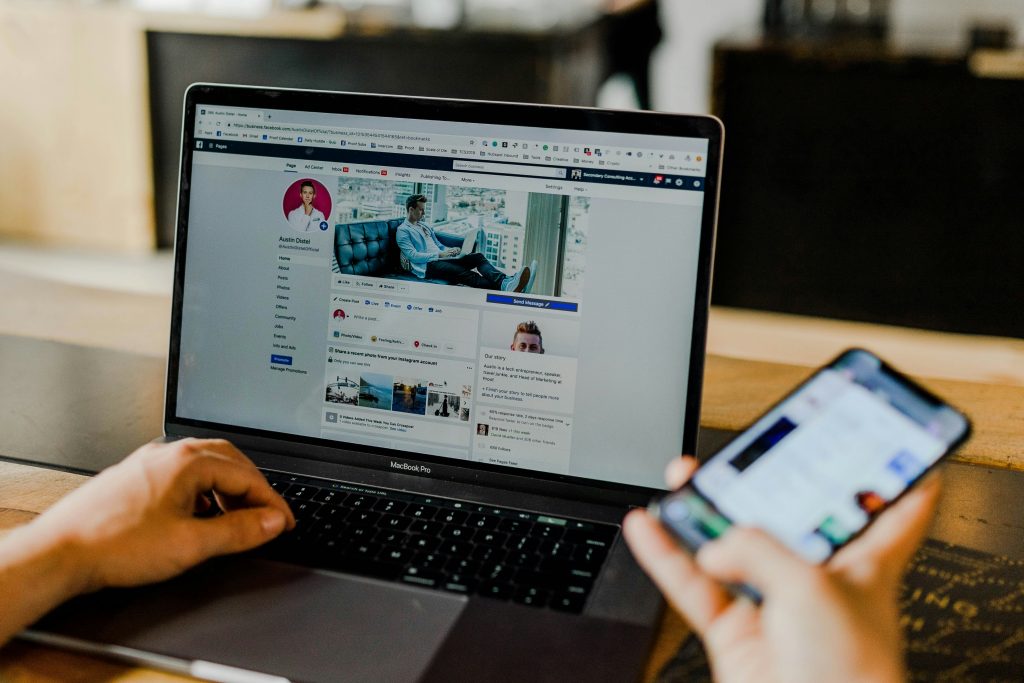
A social media strategy gives direction to your marketing efforts.
Step 1: Define Your Goals
Decide what you want:
- Website traffic
- Brand awareness
- Leads or sales
Step 2: Know Your Audience
Understand:
- Age group
- Interests
- Preferred platforms
This helps you create content people actually want.
Step 3: Choose the Right Platforms
Focus on 1–3 platforms instead of all.
- Facebook + Instagram for small businesses
- LinkedIn for professional services
- TikTok for fast growth
Step 4: Create Valuable Content
Post content that:
- Educates
- Solves problems
- Entertains
Examples:
- Tips and guides
- Short videos
- Customer success stories
Step 5: Track and Improve
Use analytics tools to check:
- Engagement
- Clicks
- Conversions
Adjust your strategy based on results.
Social Media Marketing Tips for Small Businesses

Small businesses can succeed on social media without a big budget.
1. Be Consistent
Post regularly (3–5 times per week). Consistency builds visibility.
Focus on Quality, Not Quantity
One useful post is better than five poor ones.
3. Engage With Your Audience
Reply to comments and messages. Engagement increases reach.
Use Hashtags Wisely
Hashtags help people discover your content, especially on Instagram and TikTok.
5. Link Your Website
Always direct users to your website for more information or sales.
Benefits of Social Media Marketing for Businesses
- Increases brand visibility
- Drives targeted website traffic
- Builds customer trust
- Improves search engine signals
- Boosts sales and conversions
When done correctly, social media supports your SEO, email marketing, and website growth.
Conclusion
Social media marketing is no longer optional for businesses that want to grow online. By choosing the right platforms, understanding organic and paid marketing, building a clear strategy, and applying smart tips, businesses can attract customers and increase revenue.
Whether you are a startup or a small business, a well-planned social media marketing strategy can help you stand out in a competitive digital world.
Discover more from Innodigitalhub
Subscribe to get the latest posts sent to your email.